Our Wilderness Matters
Protecting our wild, public lands
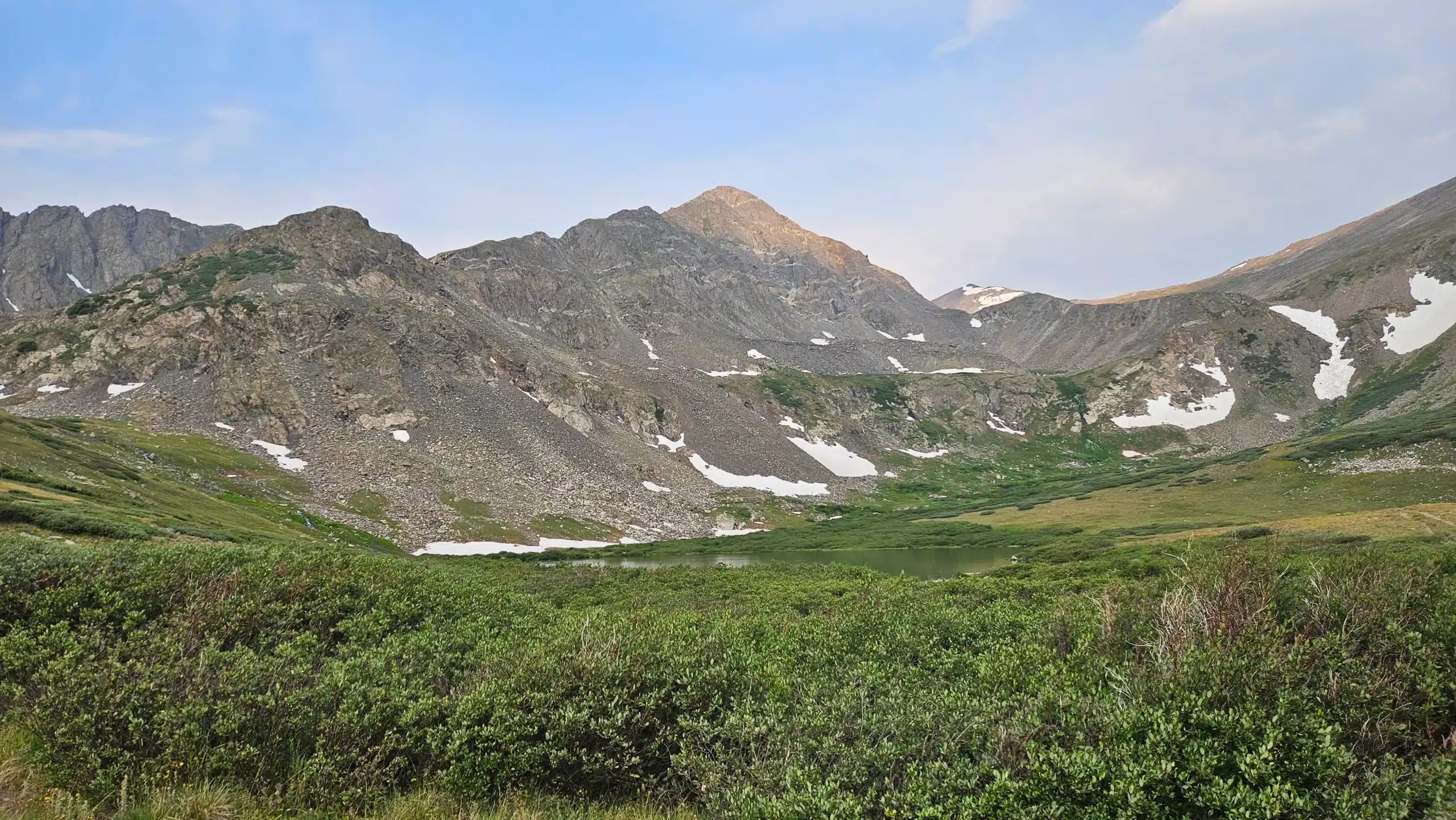
Some of our most memorable days in the mountains happen far beyond trailheads, highways, and ski resorts. They’re found in places where the landscape still feels untamed…where wildlife leaves more tracks than people, the night sky stays dark, and the only sounds are wind through the trees and water moving its way downhill.
These landscapes don’t stay that way by accident. They exist because of decades of conservation, thoughtful land management, and people who believe some places are worth leaving wild.
As discussions continue about how federally protected wilderness areas should be managed in the future, it’s a good time to understand why these places matter- not just to outdoor recreation, but to Colorado as a whole.


Different by design
Not every landscape is managed the same way. Wilderness areas receive some of the strongest protections available on public lands, helping preserve natural ecosystems while limiting development and motorized access.
That means no roads cutting through remote valleys, no new infrastructure changing the landscape, and no motorized recreation inside designated wilderness boundaries. Instead, these places are experienced the same way they have been for generations: on foot, by ski, or horseback.
For anyone who values true backcountry experiences, these protections help preserve exactly what makes wilderness special.
Wild places shape our adventures
Colorado is home to an incredible collection of wilderness, from alpine basins and rugged peaks to remote canyons and high mountain forests. Many of the routes we travel, teach in, or explore lead directly into or alongside these protected landscapes.
Whether you’re learning avalanche safety, climbing a high peak, backpacking to a mountain hut, or simply hiking for the day, wilderness areas provide opportunities to disconnect from daily life and experience Colorado on its own terms.
These landscapes also support healthy wildlife habitat, protect headwaters, and preserve the natural character that makes our state unique.


Stewardship is key
We believe enjoying the outdoors comes with a responsibility to care for it.
That means traveling thoughtfully, minimizing our impact, respecting wildlife, staying on durable surfaces when appropriate, and helping others understand why these places deserve our attention long after the trip ends.
The future of Colorado’s backcountry depends not only on land managers and conservation organizations, but also on everyone who hikes, skis, climbs, bikes, paddles, and camps here each year.
Today’s decisions shape tomorrow’s backcountry
Federal agencies are currently reviewing a number of policies related to how designated wilderness and other undeveloped public lands are managed. While no specific changes have been finalized, the review has sparked conversations among recreation groups, conservation organizations, and public land users about what the future of these landscapes should look like.
Public input is an important part of that process. Regardless of where someone stands, understanding what’s being discussed helps ensure the voices of people who spend time in the backcountry are part of the conversation.


Protect the experiences we love
The future of America’s wilderness is shaped not only in the backcountry, but through public participation. The U.S. Department of the Interior is accepting public comments as it reviews wilderness management policies.
If these places matter to you, take a few minutes to share your perspective:


